
How to Choose a Dumpster Rental Company for a Construction Project
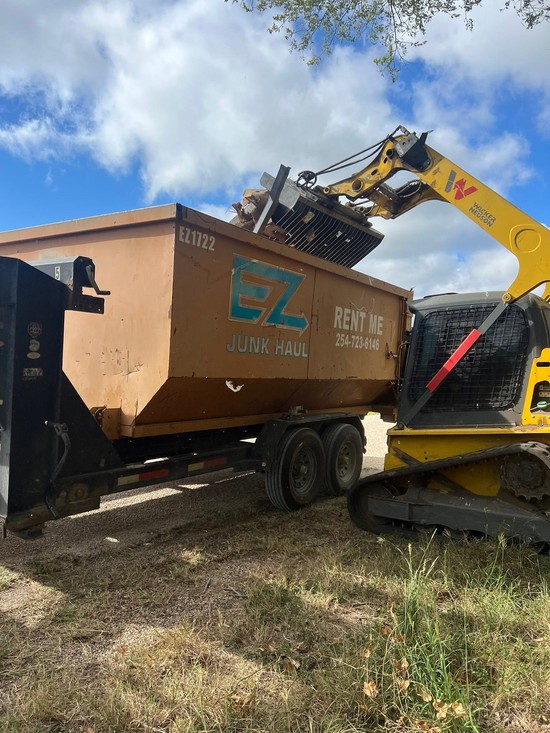
A construction dumpster is most useful when debris is steady, bulky, and difficult to store safely at the curb: torn-out drywall, old cabinets, flooring, lumber, roofing material, or packaging from new fixtures. For a small project, it can be possible to make repeated trips to a transfer station with a pickup or trailer. Before renting, compare the disposal fees, fuel, loading time, and limits on what your vehicle can legally and safely carry. If demolition will produce more material than you can remove in a day or two, a dumpster usually makes the work area easier to keep clear.
Start with the material, not the container
Tell the rental company exactly what you expect to throw away. “Construction debris” is too broad to price or plan accurately. A bathroom remodel may include tile, a cast-iron tub, drywall, vanity cabinets, insulation, and plumbing fixtures. A deck removal may mean treated lumber, nails, concrete footings, railings, and soil around the posts. Those materials differ sharply in weight and disposal requirements.
Heavy materials are where homeowners most often run into trouble. Concrete, brick, dirt, rock, roofing shingles, and tile can exceed a dumpster's included weight allowance long before the container looks full. Ask whether the company has a smaller container or separate pricing for dense materials. Do not assume a large dumpster is the better value if most of the load will be masonry or soil.
Also ask what cannot go into the dumpster. Common restrictions may include paint, solvents, fuel, propane cylinders, batteries, tires, electronics, refrigerants, and hazardous chemicals. Appliances and mattresses may require special handling or added charges. Set prohibited items aside before demolition starts, rather than discovering them after the container has been loaded.
Choose a size based on volume and weight
Estimate debris in practical terms: how many rooms are being demolished, whether cabinets and fixtures are coming out, and whether the project includes roofing, concrete, or landscaping material. Then describe the job to the company and ask them to explain their recommendation. A good rental provider should be willing to discuss both the physical volume of the debris and its likely weight.
- For light, bulky debris such as drywall, wood framing, carpet, cabinets, and packaging, container volume is often the main concern.
- For tile, shingles, concrete, brick, dirt, and rock, weight may be the limiting factor even when there is plenty of empty space left.
- Do not pile debris above the rim. The driver may be unable to tarp or safely haul an overfilled dumpster, and you may have to remove material before pickup.
- Keep long pieces manageable. Cut lumber or trim when appropriate so it lies below the top edge instead of creating a tangled, unstable load.
If you are between sizes, ask what happens if the first container fills early. Some projects are better served by a smaller dumpster with a scheduled swap than by one oversized container that is hard to place or carries a larger base price. The right choice depends on the site, the material, and the pace of the work.
Get the full price in writing
A quoted rental price is not useful unless you know what it includes. Request a written breakdown before delivery. It should identify the container size, included weight, rental period, delivery and pickup terms, disposal charges, and any applicable taxes or fees.
Ask directly about overage charges. Find out how excess weight is measured, what the rate is, and whether the company can provide a scale ticket or other record after disposal. Also ask about extra-day charges, failed-pickup fees, relocation charges if the dumpster must be moved, and charges for restricted materials found in the load. Clear answers matter more than a low starting number.
Plan the delivery location before you reserve
Walk the property with the container's footprint in mind. A driveway is usually the simplest location, but it must be wide enough and clear of vehicles, low branches, wires, gates, and other obstacles. Consider how the truck will approach and leave; a container can fit in a space that the delivery truck cannot safely reach.
Protect the driveway if the rental company recommends it. Boards placed beneath contact points can help reduce scraping or pressure marks, though they do not guarantee against damage. Move vehicles before delivery and give workers a clear path from the project area to the dumpster. A container placed too far from the work often leads to debris being set on the ground, where nails, sharp edges, and windblown material become a cleanup problem.
If the dumpster must sit on a street, sidewalk, or other public right-of-way, check local permit requirements before scheduling delivery. Do not rely on a verbal assumption that it will be allowed. Ask the rental company whether it handles permits or whether the homeowner must obtain one, and confirm any rules about reflective markings, placement, and how long the container may remain there.
Compare the company, not just the advertised rate
Call at least two or three local providers with the same project description. Pay attention to whether each one asks useful questions about materials, weight, placement, and timing. A company that simply names a size without asking what you are removing may not be helping you avoid an overage or a rejected load.
- Confirm the delivery window and whether the company can work around your demolition schedule.
- Ask how to request pickup, a swap, or an extension, and whether someone answers during normal business hours.
- Ask what condition the driveway and access route must be in on pickup day.
- Read the rental agreement for damage terms, prohibited materials, weight limits, and cancellation rules.
- Make sure the company provides a local phone number or a clear way to reach a person if the job changes.
DIY loading is realistic when the work is controlled
Homeowners can usually load a dumpster themselves for a straightforward cleanup or interior demolition project if they have gloves, sturdy footwear, eye protection, a way to control dust, and enough help to move awkward items safely. Load heavy debris first and spread it across the bottom. Keep a separate area for materials that may need recycling, donation, or special disposal. Sweep nails and fragments regularly instead of waiting until the container is full.
Avoid loading alone when materials are heavy, sharp, or unstable. Large sheets of drywall, cabinets, doors, old windows, and long lumber can shift unexpectedly. Never climb into a dumpster to compact debris, and do not use equipment to push material down unless the rental company and equipment operator have confirmed it can be done safely.
When to hire a professional instead
Renting the dumpster is only one part of a construction cleanup. Hire a qualified contractor or removal crew when the work involves structural demolition, roofing at height, asbestos-containing materials, lead-based paint hazards, mold contamination, electrical systems, gas lines, refrigerants, septic components, or large quantities of heavy debris. Those jobs can require specialized containment, permits, equipment, disposal procedures, or insurance coverage.
A professional is also worth considering when access is tight, the debris must be carried down stairs, the project has a fixed deadline, or you cannot safely load the container yourself. The cheapest rental can become the expensive option if a load is overweight, the wrong materials are mixed in, or the project stalls because debris is blocking the site. Choose a company that makes the rules clear before the dumpster arrives, then use the container as part of a clean, planned work area rather than a last-minute pile.