
How to Rent a Dumpster Without Letting It Stink Up Your Property
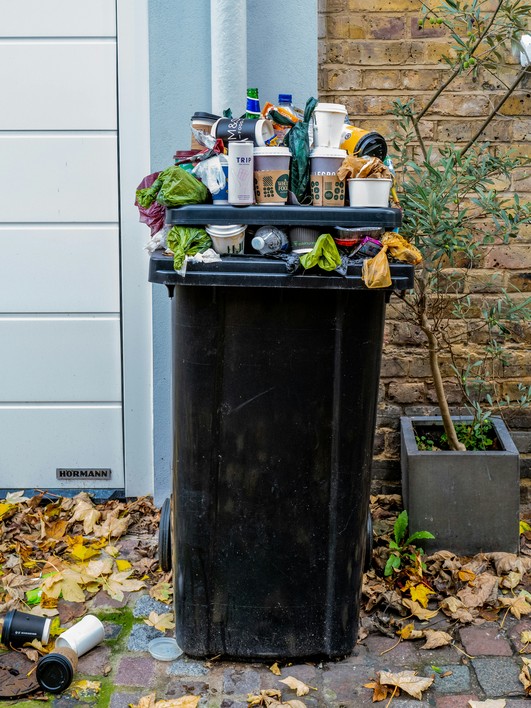
A dumpster does not usually smell because it is a dumpster. It smells because wet, food-related, or animal waste sits in a closed container long enough to break down—often mixed with construction debris that makes it hard to remove. Before you book, decide what is actually going into it and how long it will stay in your driveway. Those two details matter more than the size printed on the side of the container.
Start by separating the waste that causes odors
For a garage cleanout, basement purge, flooring project, or small remodel, most of the load may be dry material: lumber, drywall, carpet, furniture, cardboard, and household clutter. Keep that material separate from anything wet or perishable. A dumpster filled with dry demolition debris is far less likely to become a neighborhood odor issue than one that also holds spoiled refrigerator food, bags of pet waste, soaked mattresses, or leaking trash bags.
If you are emptying a refrigerator or freezer, remove all food before the appliance goes into the dumpster. Bag it and use your regular trash pickup if the amount is small, or ask the rental company whether it offers a separate disposal option. Do not assume a roll-off dumpster is the right place for large amounts of spoiled food.
- Keep food, grease, pet waste, and other organics out of a construction or cleanout dumpster whenever possible.
- Drain containers that may hold liquid before throwing them away.
- Let wet carpet, padding, or yard debris dry when practical before loading it.
- Flatten cardboard and load it away from wet waste so it does not absorb leaks.
- Close bags tightly, but do not use the dumpster as a substitute for hazardous-waste disposal.
Choose the shortest realistic rental period
Odor gets worse with time, heat, and moisture. A container that is loaded and collected within a few days is easier to manage than one parked beside the house for two weeks while rainwater collects in the bottom. Schedule delivery for the point when you are ready to work, not when you first start thinking about the project. If you are doing the job in stages, ask whether the company can arrange a swap-out rather than leaving one full dumpster on site.
Summer cleanouts need tighter timing. Put the dumpster in a location the truck can safely reach, but avoid placing it directly below a sunny kitchen window or beside the patio if another accessible location is available. Do not block drainage paths; standing water in and around the container adds to the problem.
Use simple steps to control smell while the dumpster is on site
Homeowners can prevent many odor complaints with basic loading habits. Put dry, bulky material in first. Keep any unavoidable bagged trash near the top only if it will be collected soon, rather than burying it beneath debris. Close the lid if the container has one, or cover the top with a secured tarp when rain is expected and the rental agreement allows it. A tarp is for keeping out water and deterring animals—not for hiding prohibited material.
Do not pour bleach, fragrances, pesticides, fuel, or other chemicals into the dumpster to cover an odor. That can create a disposal problem and may violate the rental agreement. If a bag has leaked, remove it if you can do so safely, place it in a second bag, and contact the rental company if the container needs earlier pickup.
Know what does not belong in a standard dumpster
The exact rules vary by company and local disposal facility, so read the accepted-materials list before delivery. Items that create leaks, fumes, or disposal hazards are commonly restricted. That often includes paint, solvents, oil, gasoline, batteries, propane cylinders, pesticides, chemicals, tires, electronics, and certain appliances. Mattresses, refrigerators, televisions, and large amounts of yard waste may also have separate rules or extra fees.
If you are not sure about an item, ask before loading it. Waiting until pickup can mean the driver cannot haul the container, leaving you with a full dumpster in the driveway while you remove the prohibited material.
When to call the dumpster company instead of trying to manage it yourself
Call for help when the odor comes from a large quantity of spoiled food, sewage-contaminated material, animal remains, flood-damaged contents, or another potentially unsanitary source. Those jobs may need a faster haul, a different waste stream, or a cleanup crew rather than an ordinary mixed-waste dumpster. The same is true if the container is leaking, attracting pests, or cannot be safely loaded without climbing on debris.
A good rental company should be willing to explain what it can accept, how long the rental lasts, what happens if the load is overfilled, and how to arrange an earlier pickup. Give a clear description of the project—such as roof tear-off, kitchen demolition, estate cleanout, or storm damage—rather than simply asking for the cheapest dumpster. That makes it more likely you get a container and pickup schedule that keep the mess, and the smell, under control.