
Will a Dumpster Damage My Driveway? How to Protect Your Driveway During a Dumpster Rental
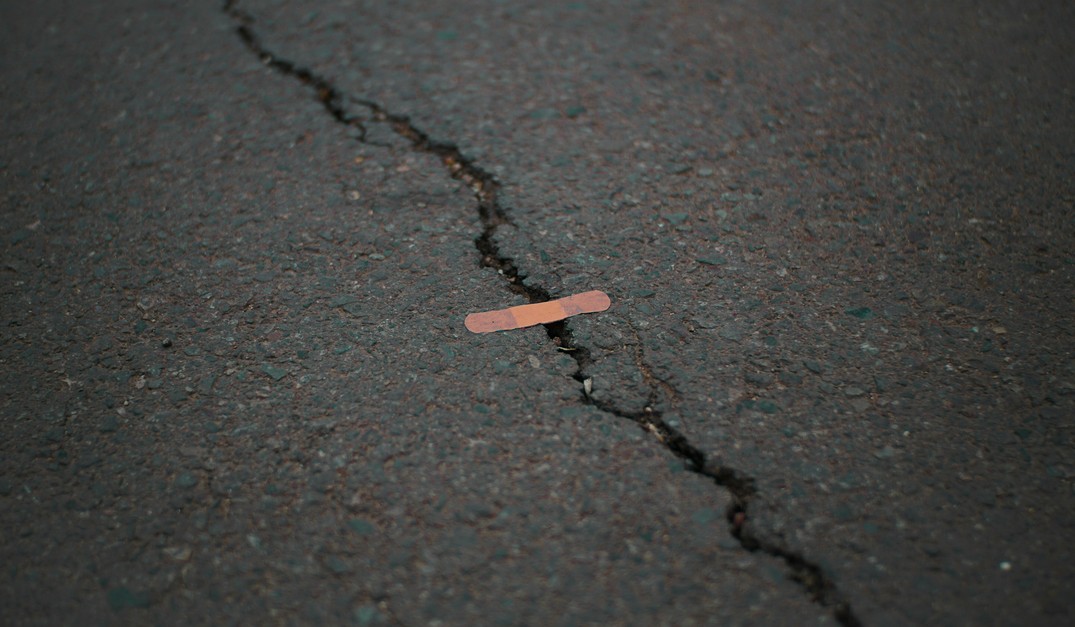
A dumpster does not automatically damage a driveway, but it can. A loaded roll-off container concentrates a great deal of weight on a few contact points, and delivery trucks add more weight while backing into place. Asphalt that is soft in hot weather, concrete with existing cracks, pavers that have settled, and thin or poorly supported slabs are more vulnerable than a sound, well-built driveway.
What can cause driveway damage
Most problems come from pressure, dragging, or a weak surface—not simply from having a dumpster on the property. The steel rails or wheels at the bottom of a roll-off can press into asphalt. If the container is shifted after it is set down, metal can scrape the surface. A truck turning sharply or backing over a driveway edge can crack unsupported concrete or dislodge pavers.
Existing damage matters. A small crack, a crumbling driveway edge, or a low spot that already holds water may get worse under a heavy load. New asphalt can also be vulnerable before it has fully cured, and hot summer temperatures can make older asphalt soft enough to dent.
The DIY steps that make the biggest difference
Before the delivery day, inspect the driveway and take clear photos of its condition. Photograph cracks, stains, patched areas, driveway edges, and the planned drop location. This gives you a record of what was there before the rental and helps you choose the safest placement area.
- Choose the flattest practical location. Avoid sloped sections, soft ground, low spots, and the unsupported outer edges of a concrete driveway.
- Ask for the dumpster to be placed straight, not turned or repositioned after it touches down. Dragging is more likely to leave scrapes.
- Put solid wood boards beneath the container’s contact points. Thick, sturdy boards spread the load better than thin plywood or loose scraps.
- Keep the dumpster within its fill line. Material piled above the rim can create a hauling hazard and may increase the weight concentrated on the driveway.
- Distribute heavy debris across the container instead of loading all concrete, dirt, roofing shingles, or masonry in one end.
- Keep vehicles away from the dumpster and do not let anyone try to push, roll, or move it once it has been placed.
What to use under a dumpster
Wood boards are the usual driveway protection because they create a buffer between steel and the surface while spreading the load. Use flat, sound boards that are thick enough not to split under weight. Place them where the dumpster will rest before delivery, and make sure they sit flat. Boards cannot turn a failing driveway into a load-bearing surface, but they can reduce direct contact, dents, and scraping on a driveway that is otherwise in good condition.
Do not rely on cardboard, thin paneling, old carpet, or plastic sheeting. Those materials may prevent a light scuff, but they do little to distribute the weight of a loaded container. They can also slide or bunch up during delivery.
When the driveway is the wrong place
Consider another location if the driveway is newly paved, visibly cracking, crumbling at the edges, steep, narrow, or built with decorative pavers. A level side area may work if it has a firm base and the rental company can safely reach it. Street placement may also be an option, but homeowners should check local rules before assuming it is allowed. A container placed in the street can affect parking, traffic clearance, drainage, and access for neighbors or emergency vehicles.
When to involve a professional
Call the rental company before delivery if you are unsure whether the truck can fit, whether a slope is safe, or how much weight your driveway can handle. Tell them what you are throwing away, especially if the load includes dense materials such as concrete, brick, soil, shingles, or tile. Those jobs may require a smaller container, a separate heavy-material container, or a different placement plan.
Call a paving or concrete contractor if the driveway already has wide cracks, broken edges, heaving, sinking, or drainage problems. A dumpster can expose an underlying base failure, but it will not be the root cause of every crack that appears afterward. A contractor can determine whether the surface needs a small repair, drainage correction, slab replacement, or more extensive work before it carries a heavy load.
A practical delivery-day plan
Clear cars, basketball hoops, bins, branches, and low wires from the approach. Mark the exact placement area and have the protective boards ready before the truck arrives. If possible, be present for delivery so you can confirm the location before the driver sets the container down. Once it is placed, load evenly, stay below the rim, and leave enough room around it for pickup.
The safest rental is planned around the condition of the driveway and the type of debris. Boards, a level location, and sensible loading can prevent many common marks and scrapes. But if the driveway is already compromised or the job involves a very heavy load, choosing a different location—or getting professional advice before delivery—is cheaper than repairing a cracked slab afterward.